
In Tamil culture, the neem flower (Veppampoo) is a powerful symbol of the bittersweet nature of life, bridging the gap between sacred tradition, culinary medicine, and the changing seasons. It reminds us to accept that bitterness.The neem flower blooms in the month of Chithirai (April–May), heralding the spring and serving as a seasonal reminder to embrace all aspects of existence.
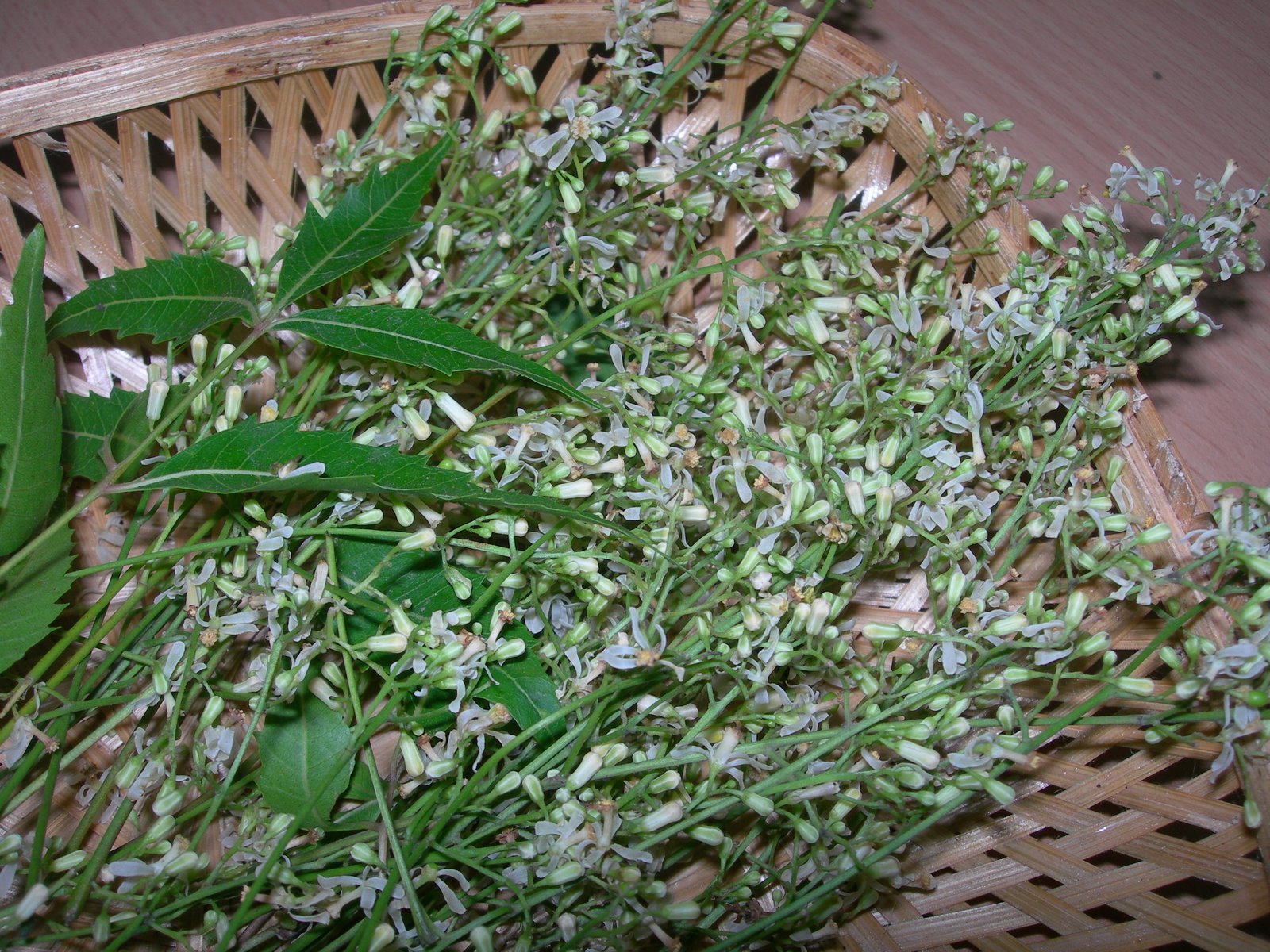
Typically, this flower is included in mango pachadi. Another unique dish is Veppam Poo Rasam. To make it, start by picking the white neem flowers from their stems, washing them, and laying them out on a paper towel to dry in the shade. Heat a teaspoon of ghee in a kadai, then add a handful of flowers and sauté over low heat until they become crispy. Allow it to cool and then grind it into a powder.
Cultural Significance
- Life’s Balance: The flower’s inherent bitterness represents life’s challenges, teaching that “bitterness can be good for the body and soul”.
- New Year Tradition: During Puthandu (Tamil New Year), it is a key ingredient in Mangai Pachadi (mango side dish), which combines sweet, sour, salty, and bitter flavors to welcome the year’s diverse experiences.
- Divine Presence: The neem tree is worshipped as a manifestation of Goddess Mariamman (or Durga), with flowers and leaves used to garland her statues and decorate homes to ward off evil spirits.
- Herbal King: Ancient Siddha medicine considers neem the “Rural Dispensary” and the foremost of all herbs.
Recipes with Veppam Poo
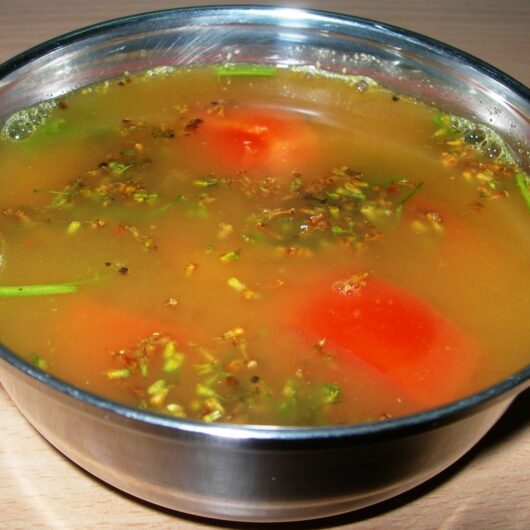
Veppam Poo Rasam
Difficulty: EasyThis simple and easy to make Rasam is made with Neem Flower (Veppam Poo). This dish is also specially made during Tamil New Year.
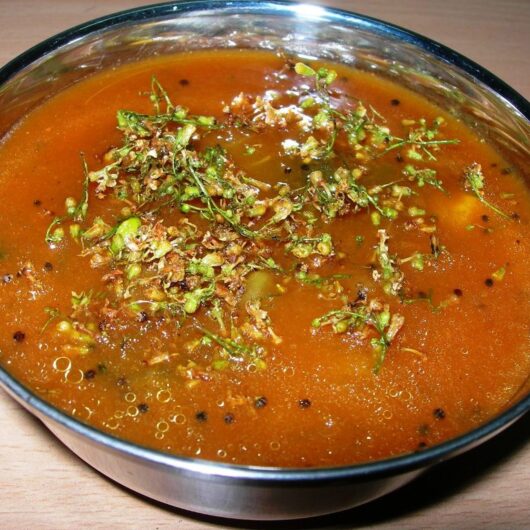
Veppam Poo Pachadi
Difficulty: EasyThis Veppam Poo Pachadi is made with Mango Pachadi and then adding veppam poo powder with it.
thats a easy one.. will try this soon.